Exploring the Average Siding Replacement Cost: What You Need to Know
When considering the average siding replacement cost, it is essential to understand the various factors that can influence the overall price. Factors such as the type of siding material, the size of the project, and the complexity of the installation can all play a significant role in determining the cost.
$7
$12
$13
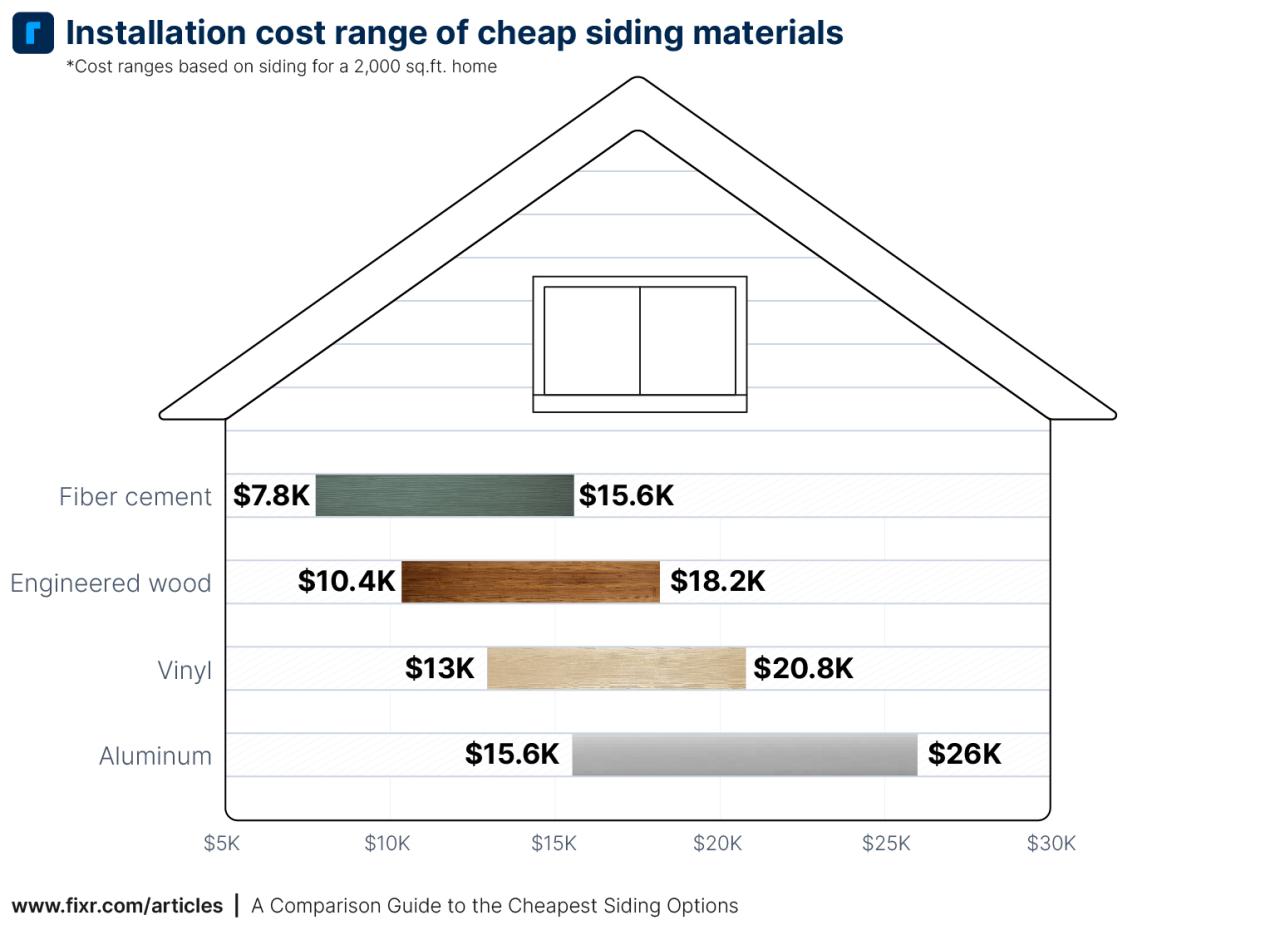
Cost Comparison of Various Siding Materials
When considering siding replacement, one of the important factors to take into account is the cost of different siding materials. Each material comes with its own price tag and long-term cost-effectiveness.
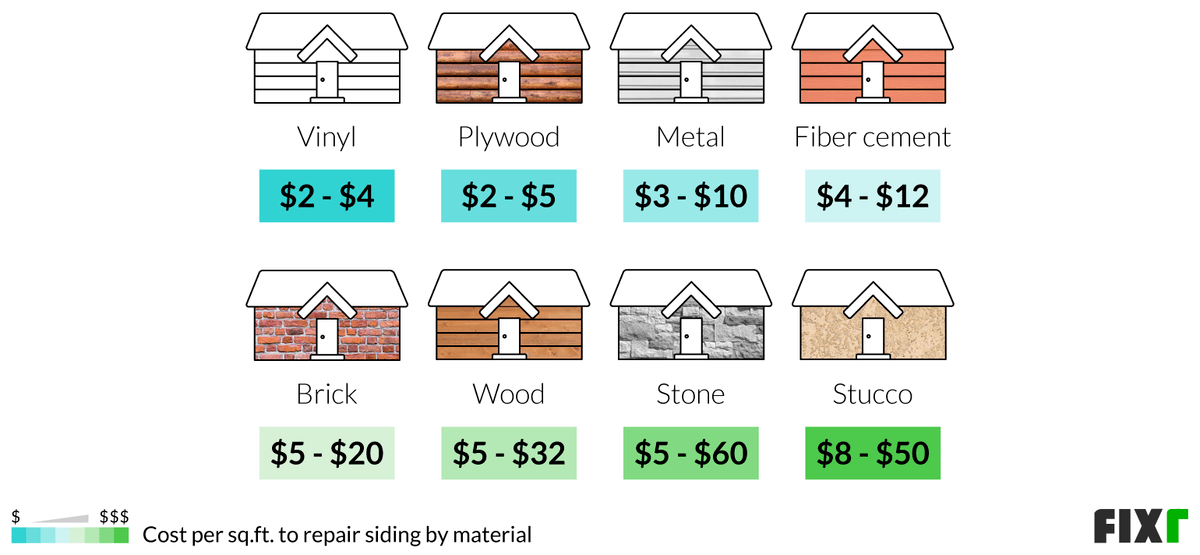
Vinyl siding is often considered a more affordable option compared to fiber cement siding. The cost of vinyl siding typically ranges from $2 to $7 per square foot, making it a budget-friendly choice for many homeowners. On the other hand, fiber cement siding tends to be more expensive, with costs ranging from $5 to $12 per square foot.
While fiber cement siding may have a higher upfront cost, it is known for its durability and low maintenance requirements, potentially saving money in the long run.
Wood siding is a popular choice for its natural aesthetic, but it comes with a higher price tag compared to metal siding. The cost of wood siding can range from $6 to $10 per square foot, depending on the type of wood used.
On the other hand, metal siding is a more cost-effective option, with prices typically ranging from $4 to $8 per square foot. Metal siding is known for its durability and resistance to pests and rot, making it a practical choice for homeowners looking for a long-lasting siding material.
While upfront costs are important to consider when choosing a siding material, it is also essential to think about the long-term cost-effectiveness. Factors such as maintenance requirements, durability, and energy efficiency can impact the overall cost of owning a particular siding material.
Investing in a higher-quality siding material may result in lower maintenance costs and fewer replacements over time, ultimately saving money in the long run.
When it comes to the total siding replacement cost, labor costs play a significant role. Hiring professional installers is crucial for the success of your project, as their expertise can ensure proper installation and minimize any potential issues down the line.
Here are some tips on how to minimize labor costs during the installation process:
When budgeting for siding replacement, it’s crucial to consider various additional cost factors that can impact the overall expenses. Beyond material and labor costs, there are other expenses such as permits, disposal fees, location variations, regional pricing, and maintenance costs that should be taken into account.
Before starting any siding replacement project, you may need to obtain permits from your local authorities. Permit costs can vary depending on your location and the scope of the project. Additionally, you may incur disposal fees for removing the old siding materials.
Make sure to factor in these costs when planning your budget.
The cost of siding replacement can vary significantly based on your location and regional pricing trends. Urban areas may have higher labor costs and permit fees compared to rural areas. It’s essential to research and understand the pricing variations in your region to avoid any surprises in your budget.
Another important factor to consider is the long-term maintenance costs associated with different siding materials. While some materials may have a higher upfront cost, they could be more durable and require less maintenance over time. On the other hand, lower-cost materials may need more frequent maintenance, which can add up in the long run.
Factor in the maintenance costs when choosing the right siding material for your home.
What factors can influence siding replacement costs?
Factors such as material choice, project size, complexity, and location can significantly impact the overall cost of siding replacement.
Is it cost-effective to hire professional installers for siding replacement projects?
Yes, hiring professional installers ensures quality workmanship and can help avoid costly mistakes in the installation process, making it a cost-effective choice in the long run.
How can labor costs be minimized during the siding installation process?
Labor costs can be minimized by planning the project efficiently, streamlining the installation process, and seeking competitive quotes from reputable contractors.
What are some additional expenses to consider apart from material and labor costs?
Other expenses to consider include permits, disposal fees, and ongoing maintenance costs, which can add to the overall expenditure of a siding replacement project.