
Wind Damage vs. Wear and Tear: How Insurance Adjusters Inspect Exterior Walls
Exploring the nuances of Wind Damage vs. Wear and Tear: How Insurance Adjusters Inspect Exterior Walls sets the stage for a fascinating journey into the world of property assessment. Let’s delve into the intricacies of exterior wall inspections and unravel the mysteries behind differentiating between these two phenomena.
Providing insights into the methods and criteria used by insurance adjusters, this discussion sheds light on the crucial aspects of identifying and documenting damage for accurate assessment.

When it comes to insurance claims for exterior walls, it is crucial to distinguish between wind damage and wear and tear. Understanding the differences can help insurance adjusters accurately assess the situation and determine coverage.
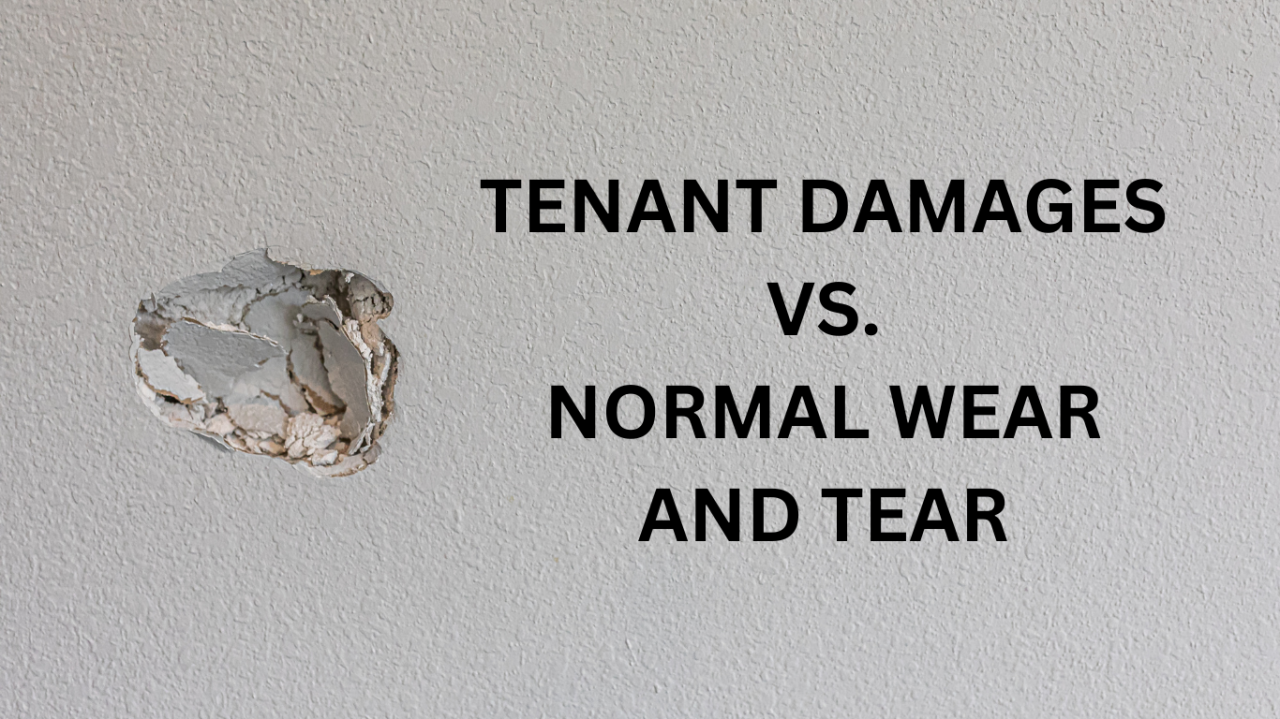
When it comes to assessing wind damage on exterior walls, insurance adjusters follow specific inspection methods to determine the extent of the damage. This involves a combination of visual inspections and the use of specialized tools to accurately evaluate the impact of wind on the property.
When insurance adjusters inspect exterior walls, one key aspect they focus on is differentiating between wear and tear and wind damage. This distinction is crucial in determining coverage and policy implications for property owners.Adjusters use specific criteria to differentiate between wear and tear and wind damage.
They look for signs of gradual deterioration, such as fading paint, cracks due to settling, or rust on metal surfaces, which are indicative of wear and tear. On the other hand, they identify sudden and distinct damage patterns like impact marks, torn shingles, or uprooted siding as potential indicators of wind damage.To determine the extent of wear and tear on exterior walls, adjusters consider factors such as the age of the building, maintenance history, and material quality.
They may also assess the overall condition of the structure to gauge the impact of wear and tear on the walls.
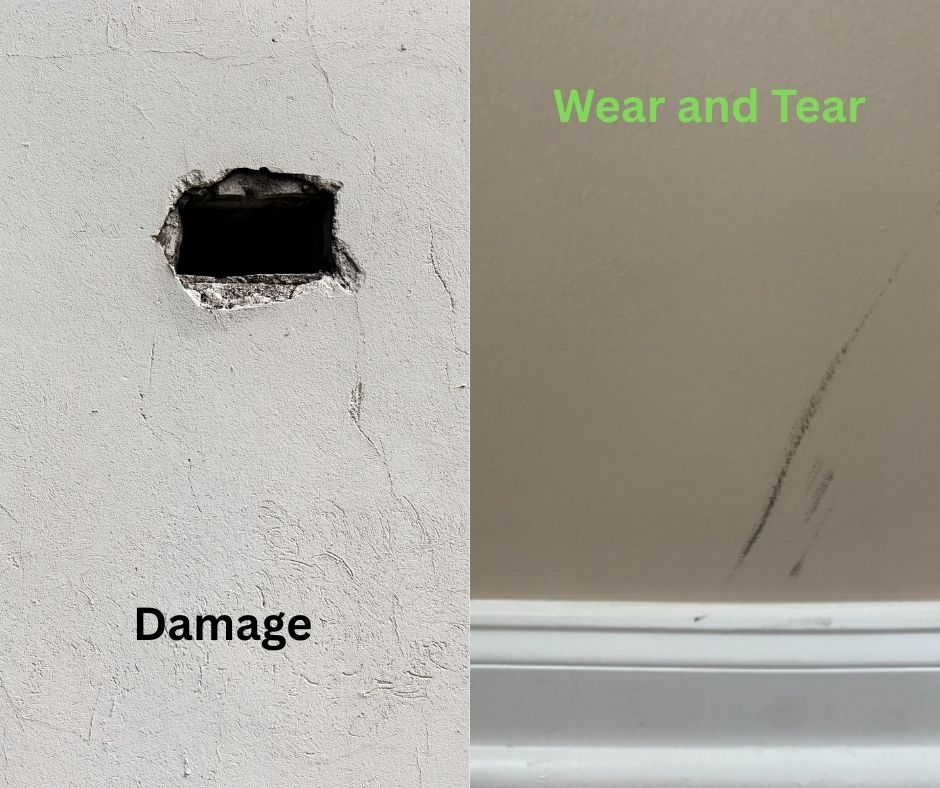
When it comes to assessing wind damage and wear and tear on exterior walls, thorough documentation is key. Proper documentation helps insurance adjusters accurately evaluate the extent of damage and determine the appropriate course of action. It also ensures that all findings are properly recorded for reference.
What are some common signs of wear and tear on exterior walls?
Common signs include peeling paint, cracks, or discoloration that result from age and exposure to the elements.
How do insurance adjusters assess the severity of wind damage on exterior walls?
Adjusters may use tools like moisture meters or conduct visual inspections to determine the extent of damage. They also consider factors such as the intensity of the wind and the structural integrity of the building.
Why is thorough documentation important in assessing wind damage and wear and tear?
Thorough documentation provides a clear record of the damage observed, helping insurance companies make accurate assessments and expedite the claims process.