
How Much Does Exterior Wall Rendering and Cladding Cost per Unit Area?
Kicking off with How Much Does Exterior Wall Rendering and Cladding Cost per Unit Area?, this opening paragraph is designed to captivate and engage the readers, setting the tone casual formal language style that unfolds with each word.
As we delve into the details of exterior wall rendering and cladding costs, it becomes evident that various factors play a crucial role in determining the expenses involved.
When considering the cost of exterior wall rendering and cladding, several factors come into play that can significantly impact the overall expenses. Understanding these key factors is essential for planning and budgeting your project effectively.
The choice of materials for exterior wall rendering and cladding is a major determinant of the total cost. High-quality, durable materials may come at a higher price point initially but can result in lower maintenance costs in the long run.
Conversely, opting for cheaper materials may lead to more frequent repairs and replacements, ultimately increasing the overall expenses.
Labor costs play a crucial role in determining the total cost of exterior wall rendering and cladding. Skilled labor is essential for achieving a high-quality finish, but it often comes at a higher price. Additionally, the complexity of the project and the expertise required can influence labor costs.
It’s important to factor in labor expenses when budgeting for your project.
The size and complexity of the project directly impact the pricing of exterior wall rendering and cladding. Larger projects typically require more materials and labor, leading to higher costs. Similarly, projects with intricate designs or unique architectural features may require specialized skills and materials, further adding to the overall expenses.
It’s essential to consider the scale and intricacy of your project when estimating costs.
When it comes to exterior wall rendering and cladding, there are several materials commonly used for their construction. Each material has its own costs, pros, and cons, affecting the overall cost-effectiveness, longevity, and maintenance requirements of the structure.
Brick is a popular choice for exterior wall rendering and cladding due to its durability and classic look. The cost of using brick can vary depending on the type and quality of the bricks, as well as the labor involved in installation.
While brick may be more expensive upfront, it is known for its longevity and low maintenance requirements, making it a cost-effective option in the long run.
Natural stone is another material used for exterior wall rendering and cladding, providing a luxurious and elegant appearance to the building. Stone can be quite expensive compared to other materials, both in terms of material cost and installation. However, it is highly durable and requires minimal maintenance, making it a long-lasting and cost-effective choice.
Wood is a versatile material that can be used for both rendering and cladding, offering a warm and natural aesthetic to the exterior of a building. The cost of wood can vary depending on the type of wood used, with hardwoods generally being more expensive than softwoods.
While wood may require more maintenance compared to other materials, it can be a cost-effective option if properly cared for and treated.
Composite materials, such as fiber cement or vinyl, are becoming increasingly popular for exterior wall rendering and cladding. These materials are cost-effective options that mimic the look of natural materials like wood or stone, but at a lower cost. They are also low maintenance and offer good durability, making them a practical choice for many construction projects.
Metal, such as aluminum or steel, can also be used for exterior wall rendering and cladding. While metal can be more expensive than other materials, it offers a modern and sleek aesthetic to the building. Metal is durable and requires minimal maintenance, making it a cost-effective choice in the long term.
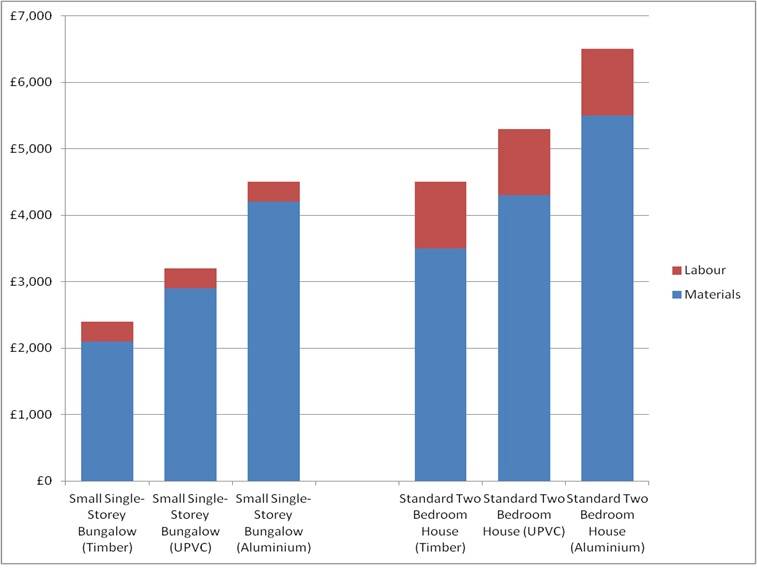
When it comes to exterior wall finishes, the cost is a significant factor to consider. Rendering and cladding are two popular options, each with its own price points and maintenance requirements. Let’s delve into the details of how these factors affect the overall cost comparison between rendering and cladding.

When it comes to exterior wall rendering and cladding costs, regional variations play a significant role in determining the overall expenses. Factors such as material availability, pricing, and climate conditions can greatly impact the cost per unit area.One of the key ways location influences costs is through material availability and pricing.
Certain materials may be more readily accessible and affordable in one region compared to another, leading to cost discrepancies. For example, a region with abundant local resources may have lower material costs than a region that needs to import materials.Climate conditions also play a crucial role in determining the choice of materials and costs.
Regions with extreme weather conditions may require more durable and weather-resistant materials, which can be more expensive. Additionally, the need for insulation or waterproofing in certain climates can further increase the overall cost of exterior wall rendering and cladding.
What are the key factors influencing exterior wall rendering and cladding costs?
The key factors include material choice, labor costs, project size, and complexity.
Which materials are commonly used for rendering and cladding?
Common materials include brick, stone, stucco, and wood.
How do maintenance costs vary between different exterior wall materials?
Maintenance costs can vary significantly depending on the material used, with some requiring more upkeep than others.
Is there a significant cost difference between rendering and cladding?
Rendering tends to be more cost-effective than cladding due to the materials and application process involved.
How does location impact exterior wall rendering and cladding costs?
Location can affect costs due to regional differences in material availability, pricing, and climate conditions.