Exploring the Costs of Vinyl Siding Installation: A Comprehensive Guide
Vinyl siding comes in various types, each with its own set of features, advantages, and drawbacks. Understanding the different options available can help you make an informed decision when it comes to choosing the right vinyl siding for your home.
Horizontal vinyl siding is the most common type used in residential properties. It is easy to install and comes in a wide range of colors and textures, making it a versatile option for many homeowners. However, horizontal siding may not be the best choice for areas with high moisture levels, as it can trap moisture and lead to mold or mildew growth.
Vertical vinyl siding provides a unique aesthetic appeal and can make a bold statement on the exterior of your home. It is less common than horizontal siding but offers excellent durability and can be a good choice for contemporary or modern architectural styles.
Keep in mind that vertical siding may be more expensive to install due to the additional labor involved in the installation process.
Insulated vinyl siding is designed to improve energy efficiency by providing an extra layer of insulation to your home. This type of siding can help reduce heating and cooling costs by maintaining a more consistent indoor temperature. While insulated vinyl siding may come at a higher initial cost, the long-term savings on energy bills can make it a worthwhile investment.
Shake and shingle vinyl siding mimics the look of traditional cedar shakes or shingles, adding a rustic charm to your home’s exterior. This type of siding is low maintenance and can withstand harsh weather conditions. However, shake and shingle vinyl siding may be more expensive than other types of vinyl siding due to its intricate design and texture.
Cedar impressions vinyl siding replicates the natural beauty of cedar wood, giving your home an elegant and timeless appearance. This type of siding is durable, fade-resistant, and insect-proof, making it a popular choice among homeowners looking for a high-end finish.
Keep in mind that cedar impressions vinyl siding may come at a higher price point compared to other options.
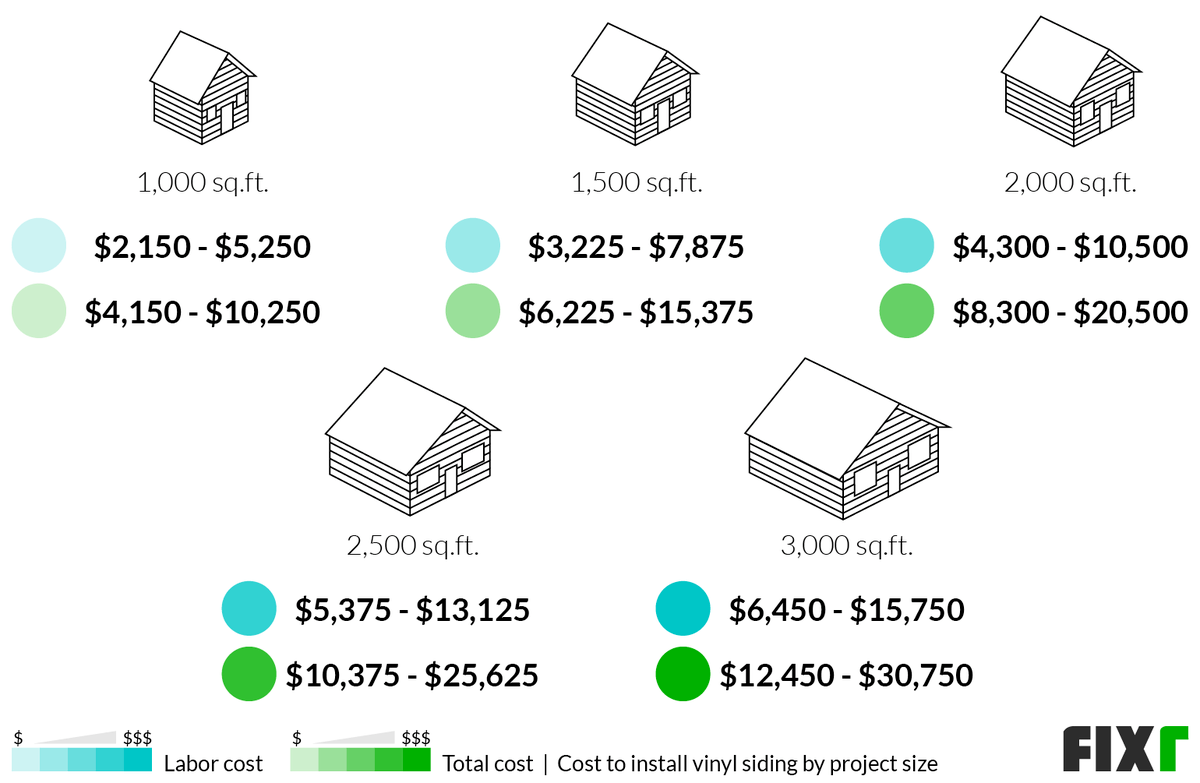
When it comes to determining the overall cost of vinyl siding installation, several key factors come into play. Understanding these factors can help homeowners make informed decisions and budget effectively for their siding project.
The size of the project is a significant factor that influences the cost of vinyl siding installation. Larger projects, such as siding an entire house, will naturally cost more than smaller projects, like siding a single wall or section of the house.
This is because more materials and labor are required for larger projects, leading to higher overall costs.
Labor costs and material quality also play a crucial role in determining the expenses associated with vinyl siding installation. Skilled labor is essential for proper installation, and experienced contractors may charge higher rates for their services. Additionally, the quality of the materials used can impact the overall cost, with higher-quality materials typically costing more upfront but offering better durability and longevity in the long run.
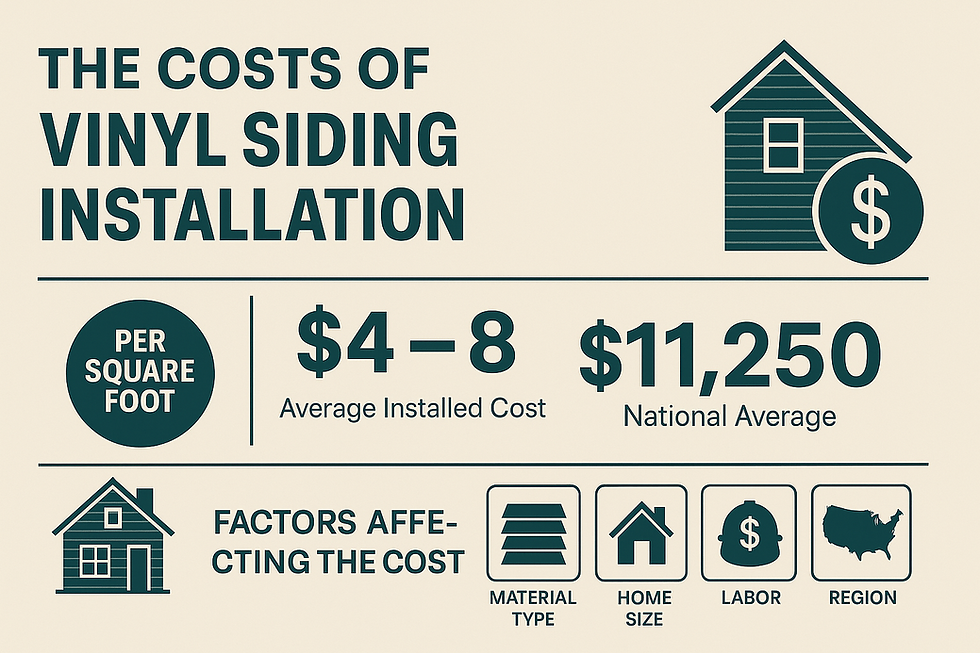
When it comes to vinyl siding installation, it’s essential to understand the breakdown of costs involved. This breakdown includes various expenses such as materials, labor, permits, and any additional services needed for the project.
When it comes to vinyl siding installation, homeowners often face the decision of whether to tackle the project themselves or hire professionals. Let’s compare the costs and benefits of DIY installation versus hiring experts.
Investing in vinyl siding installation can offer homeowners a promising return on investment (ROI) over time. While the initial costs may seem significant, the long-term benefits in terms of savings and property value increase are worth considering.
Investing in high-quality vinyl siding can result in a higher ROI compared to opting for cheaper, lower-quality options. Quality siding is more durable, offers better insulation, and requires less frequent replacement or repairs, ultimately leading to greater long-term savings and property value appreciation.
What are the different types of vinyl siding available?
Common types include horizontal, vertical, and shake/shingle siding, each offering unique aesthetics and benefits.
How do labor costs and material quality influence overall expenses?
Labor costs and material quality play a significant role in determining the final cost of vinyl siding installation. Higher quality materials and skilled labor may lead to higher upfront costs but can result in long-term savings.
Is DIY vinyl siding installation cost-effective compared to hiring professionals?
While DIY installation can save money on labor costs, hiring professionals ensures a proper and efficient installation, potentially saving on long-term maintenance and repairs.