
Insulated Wall Cladding Cost: Heating Savings and Long-Term Energy ROI
Exploring the world of Insulated Wall Cladding Cost: Heating Savings and Long-Term Energy ROI opens up a realm of possibilities and benefits. From understanding the basics to delving into the financial implications, this topic promises to be both informative and insightful.
As we navigate through the intricacies of insulated wall cladding, we uncover the key elements that make it a worthwhile investment for both your heating needs and long-term energy efficiency goals.
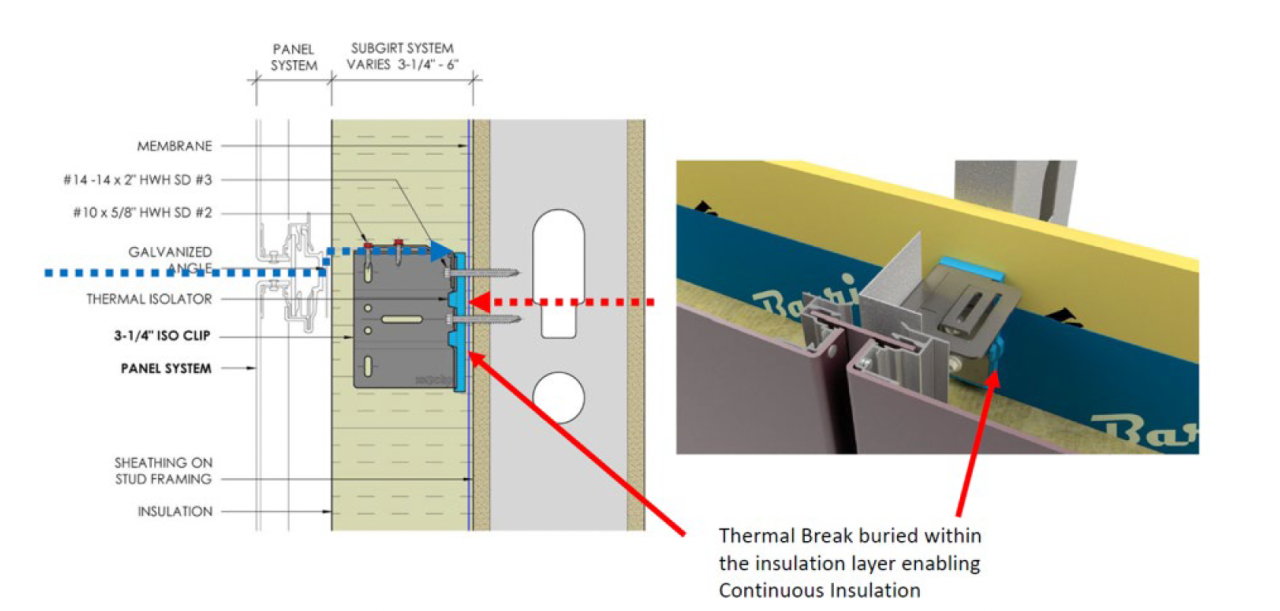
Insulated wall cladding is a type of covering installed on exterior walls to provide insulation and protection. It consists of an insulation material, such as foam, sandwiched between two layers of cladding material, like metal or vinyl. The primary purpose of insulated wall cladding is to improve the energy efficiency of a building by reducing heat loss or gain through the walls.
Proper installation of insulated wall cladding is crucial to ensure its effectiveness. A poorly installed cladding system can lead to thermal bridging, air leakage, and moisture infiltration, compromising the insulation’s performance. It is essential to follow manufacturer guidelines and hire experienced professionals for the installation process to maximize the benefits of insulated wall cladding.
When considering the cost of insulated wall cladding, several key factors come into play. These factors can significantly influence the overall expenses associated with the installation. Understanding these elements is crucial for budgeting and planning purposes.
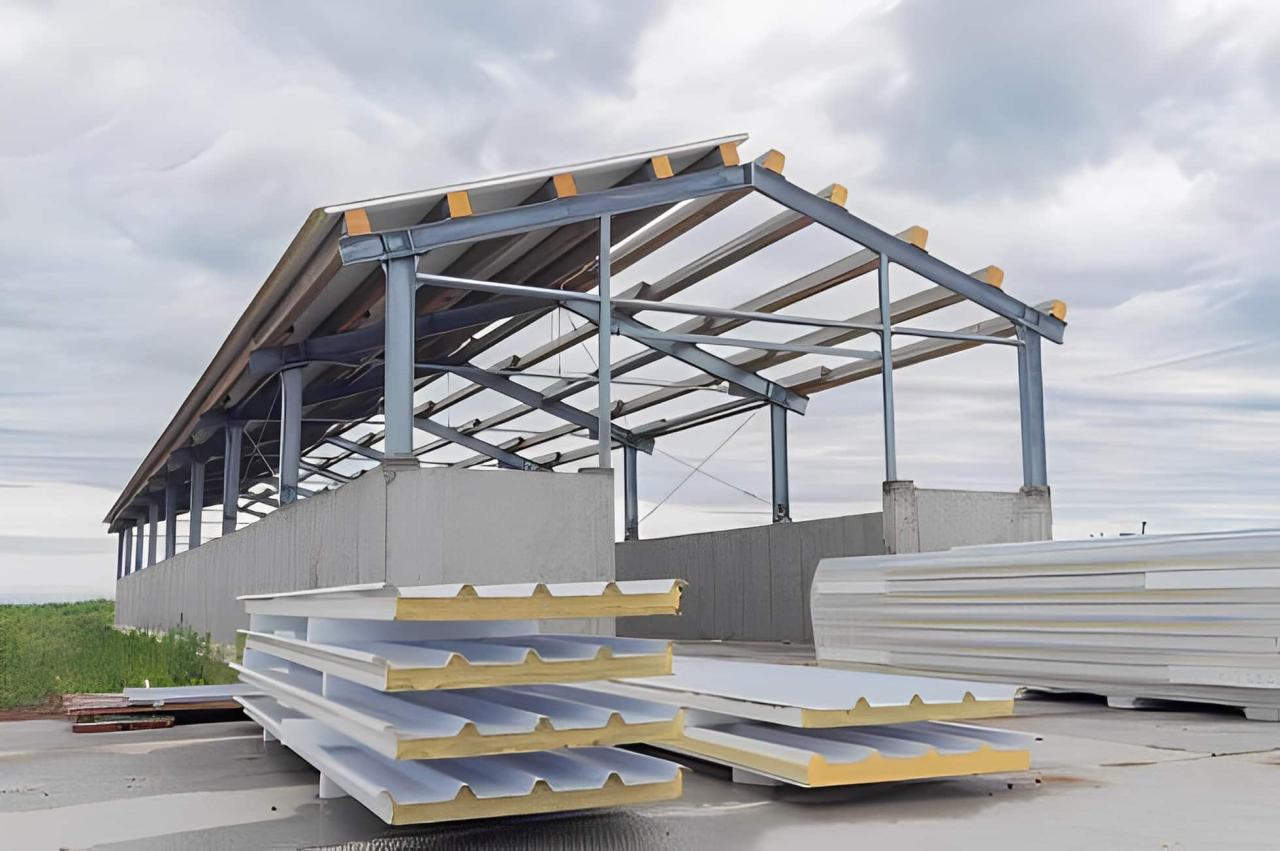
Insulated wall cladding plays a crucial role in reducing heating costs and improving energy efficiency in buildings. By providing an extra layer of insulation, it helps in maintaining a consistent temperature inside the building, reducing the need for excessive heating during colder months.
Insulated wall cladding offers significant long-term energy savings, making it a worthwhile investment for building owners looking to reduce heating costs and improve energy efficiency.
Insulated wall cladding helps reduce heat loss through walls, resulting in lower energy consumption for heating. The concept of energy return on investment (ROI) in this context refers to the savings generated from reduced energy usage compared to the initial cost of installing the cladding.
This calculation often involves comparing the energy savings over the lifespan of the cladding to the upfront investment.
The lifespan of insulated wall cladding can significantly impact the overall energy ROI. High-quality cladding materials with proper installation can last for decades, providing continuous energy savings throughout their lifespan. Regular maintenance and inspections can also prolong the lifespan of the cladding, maximizing the energy ROI over time.
When compared to other energy-efficient building solutions, insulated wall cladding often offers a competitive energy ROI. While the initial investment may be higher than some alternatives, the long-term energy savings and durability of insulated wall cladding make it a cost-effective choice for improving energy efficiency in buildings.
Additionally, the ability to customize the cladding to suit specific building requirements further enhances its energy ROI compared to generic solutions.
What is the typical lifespan of insulated wall cladding?
The lifespan can vary depending on the material used, but quality insulated wall cladding can last anywhere from 25 to 50 years.
Does insulated wall cladding require regular maintenance?
Generally, insulated wall cladding is low maintenance, requiring occasional cleaning to ensure optimal performance.
Are there any government incentives for installing insulated wall cladding?
Yes, some regions offer incentives or rebates for energy-efficient upgrades like insulated wall cladding to promote sustainability.