
Cedar Shake vs. Synthetic Cladding: Maintenance, Fire Risk, and Total Costs
“Embark on a journey comparing Cedar Shake vs. Synthetic Cladding: Maintenance, Fire Risk, and Total Costs. Delve into the nuances of these materials as we explore their characteristics, visual appeal, durability, and more.”
“Learn about the maintenance requirements, fire risks, and total costs associated with each option, providing you with valuable insights for your exterior applications.”
Cedar shake and synthetic cladding are popular materials used for exterior applications in construction. Each material has its own unique characteristics that make them suitable for different types of projects.
Cedar shake is a natural wood material that provides a rustic and traditional look to the exterior of a building. It is known for its natural beauty and ability to blend well with the surrounding environment. On the other hand, synthetic cladding is a man-made material typically made from PVC or fiber cement.
It can mimic the appearance of wood, stone, or metal, offering a wide range of design options.
When it comes to visual appeal, cedar shake is often favored for its warm, organic look that adds character to a home. The natural variations in color and texture of cedar shake give it a unique and timeless appearance. Synthetic cladding, on the other hand, can also provide a similar aesthetic appeal with the added benefit of being more customizable in terms of color and texture.
In terms of durability, cedar shake requires regular maintenance such as staining, sealing, and repairs to prevent rot, mold, and insect damage. However, when properly cared for, cedar shake can last for several decades. On the other hand, synthetic cladding is known for its low maintenance requirements and resistance to rot, mold, and pests.
It is also more durable in harsh weather conditions, making it a long-lasting option for exterior cladding.
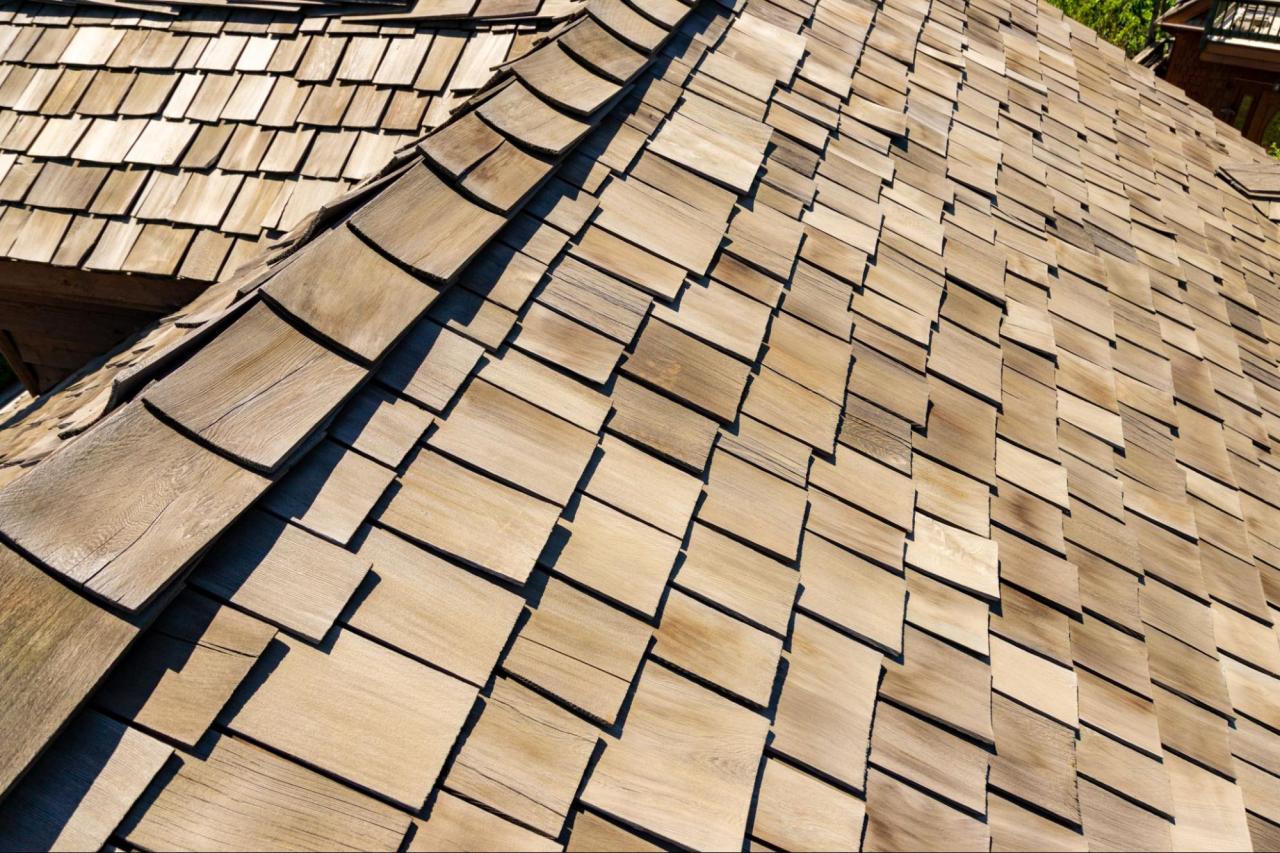
When it comes to maintaining your home’s exterior, both cedar shake siding and synthetic cladding require regular care to ensure longevity and appearance. Let’s delve into the specific maintenance requirements for each option and compare the long-term costs associated with upkeep.
Cedar shake siding is a natural material that requires more frequent maintenance compared to synthetic cladding. Here are the key maintenance tasks for cedar shake siding:
Synthetic cladding, such as vinyl or fiber cement, offers lower maintenance requirements compared to cedar shake siding. Here are the maintenance tasks needed for synthetic cladding:
In terms of long-term maintenance costs, synthetic cladding generally requires less upkeep compared to cedar shake siding. While cedar shake siding may have a lower upfront cost, the need for regular painting, staining, and repairs can add up over time.
On the other hand, synthetic cladding may have a higher initial investment but lower maintenance costs in the long run. Consider your budget and maintenance preferences when choosing between cedar shake siding and synthetic cladding for your home’s exterior.
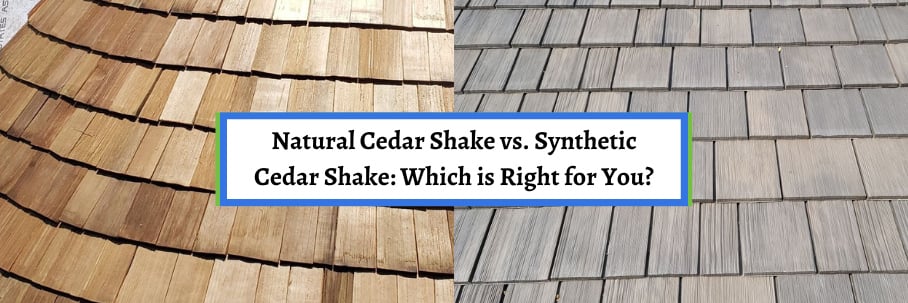
Fire risk is a critical factor to consider when choosing between cedar shake and synthetic cladding for your property. Let’s delve into the fire resistance of cedar shake as a natural material and compare it to the fire safety features of synthetic cladding.
We will also explore any relevant fire codes or regulations that apply to the use of these materials.
Cedar shake, being a natural material, has inherent fire resistance properties. The thickness of cedar shake shingles provides a level of protection against flames and can help slow down the spread of fire. However, it is essential to note that cedar shake is not entirely fireproof and can still catch fire under certain conditions.
Synthetic cladding, on the other hand, is manufactured to be fire-resistant or even fire-retardant. These materials are specifically designed to withstand high temperatures and reduce the risk of spreading fire. Some synthetic cladding products have additives that further enhance their fire safety features, making them a popular choice in areas prone to wildfires or strict fire regulations.
When it comes to fire codes and regulations, different regions may have specific requirements for the use of cedar shake or synthetic cladding. It is crucial to check local building codes to ensure compliance with fire safety standards. Some areas may restrict the use of cedar shake due to its lower fire resistance compared to synthetic alternatives, while others may have stringent guidelines for the installation of synthetic cladding to ensure maximum fire safety.
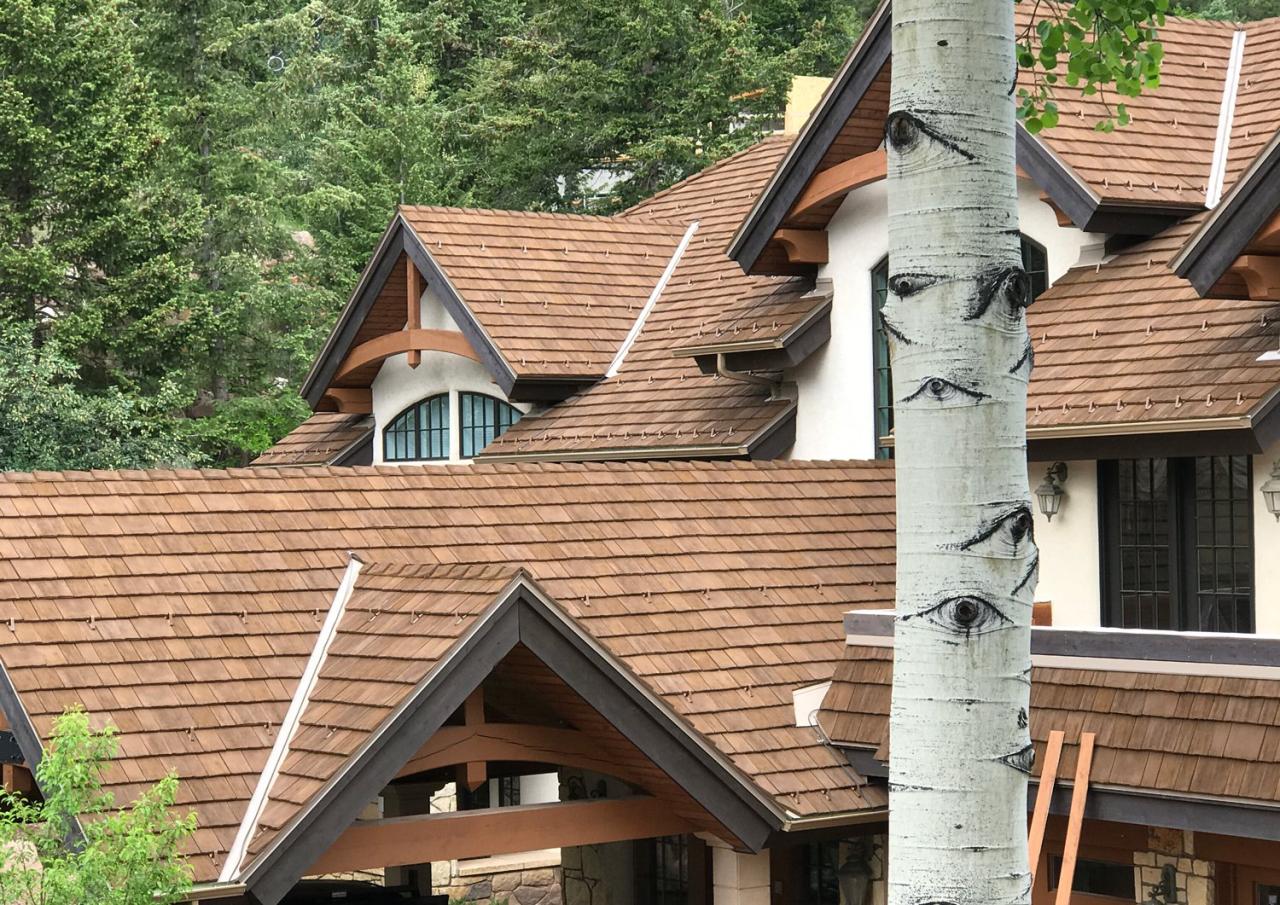
When considering the total costs of siding options like cedar shake and synthetic cladding, it is essential to look beyond just the initial purchase price and installation fees. Factors like maintenance, repairs, and longevity play a significant role in determining the overall cost of ownership.
Installation costs typically range from $5 to $7 per square foot.
Expenses for Synthetic Cladding
- Synthetic Cladding: The initial costs of synthetic cladding are generally lower than cedar shake siding, with prices ranging from $3 to $5 per square foot for the material and $4 to $6 per square foot for installation. However, it is important to consider the long-term costs associated with synthetic materials.
On the other hand, synthetic cladding is often more durable and requires less maintenance, potentially reducing long-term expenses.
- In terms of longevity, cedar shake siding can last up to 30 years with proper care, while synthetic cladding may have a longer lifespan of 50 years or more. Considering the need for replacements or repairs, synthetic cladding may prove to be a more cost-effective option in the long run.
“Are cedar shakes more visually appealing than synthetic cladding?”
“The natural look of cedar shakes is often preferred for its rustic charm, while synthetic cladding offers a more uniform appearance.”
“Which material requires less maintenance, cedar shakes, or synthetic cladding?”
“Synthetic cladding typically requires less maintenance compared to cedar shakes, as it is more resistant to rot, pests, and weathering.”
“Do cedar shakes pose a higher fire risk than synthetic cladding?”
“Cedar shakes are more susceptible to fire due to their natural composition, whereas synthetic cladding is designed to be fire-resistant.”
“What are the long-term costs associated with cedar shakes versus synthetic cladding?”
“While cedar shakes may have lower initial costs, synthetic cladding often proves to be more cost-effective in the long run due to reduced maintenance and repair expenses.”