Stone Veneer Wall Cladding Cost per m² / sq ft: Material vs. Contractor Fees
Starting off with Stone Veneer Wall Cladding Cost per m² / sq ft: Material vs. Contractor Fees, this opening paragraph aims to capture the readers’ attention with a detailed yet engaging overview of the topic.
The following paragraph will delve into the specifics and intricacies of the subject matter, providing valuable insights for the audience.
When considering the cost of stone veneer wall cladding, several factors come into play that can influence the overall expenses. Let’s delve into the key elements that impact the cost of this type of project.
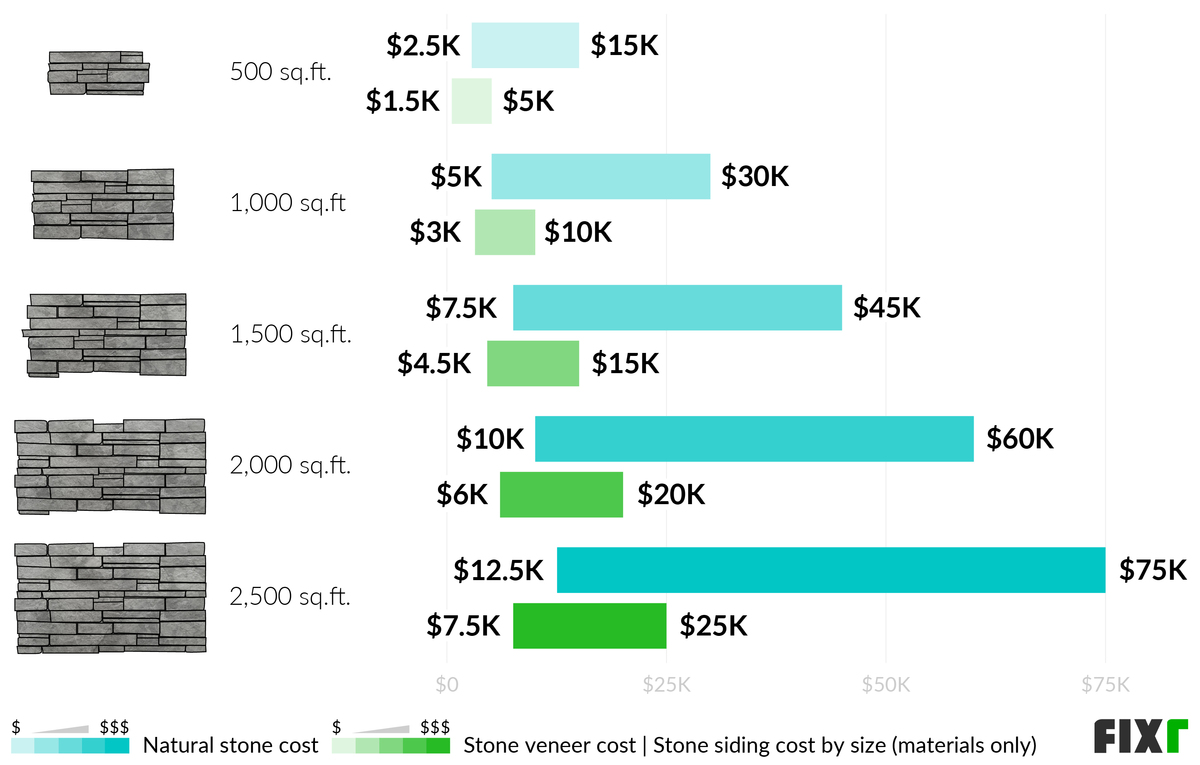
The choice of materials for stone veneer wall cladding can significantly affect the cost per square meter or square foot. Common materials include natural stone, cultured stone, and faux stone. Natural stone tends to be the most expensive due to its authenticity and durability, while cultured stone and faux stone offer more budget-friendly alternatives.
The type and quality of the stone selected for the project can also impact the cost. High-quality, premium stones will come at a higher price point compared to standard or lower-grade stones. Factors such as color variations, texture, and rarity of the stone can all contribute to the overall cost per square meter or square foot.
The complexity of the design or installation process can have a significant impact on the overall cost of stone veneer wall cladding. Intricate designs, custom patterns, or difficult-to-reach areas may require more labor and expertise, resulting in higher contractor fees.
Additionally, factors such as the need for additional structural support or specialized equipment can also drive up the cost of the project.
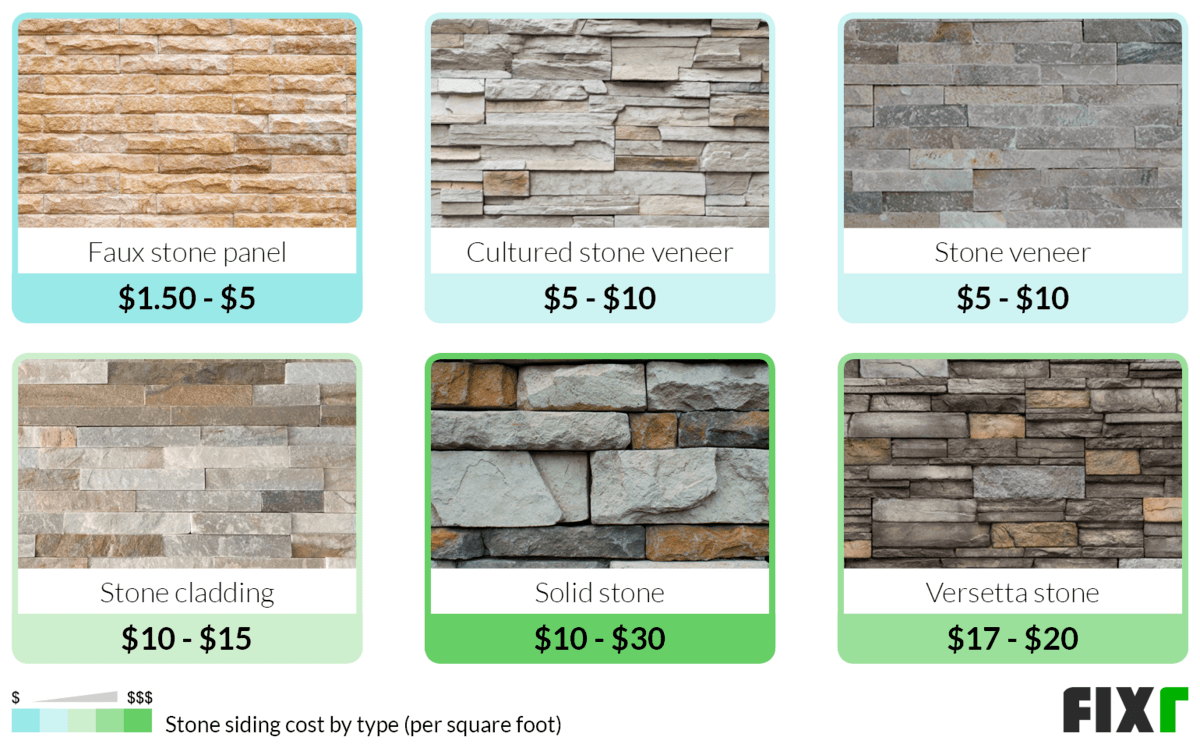
When considering the cost of stone veneer wall cladding, material expenses play a significant role in the overall budget. The choice between natural stone and manufactured stone veneer can impact both the initial cost and long-term maintenance requirements. Let’s delve into a breakdown of material costs per square meter/square foot and explore the differences between these two options.
Natural stone veneer tends to be more expensive than manufactured stone due to its extraction and processing costs. The price of natural stone can range from $50 to $100 per square foot, depending on the type of stone and its quality.
On the other hand, manufactured stone veneer is generally more affordable, with prices averaging around $20 to $40 per square foot. Manufactured stone veneer offers a cost-effective alternative that mimics the look of natural stone while being lighter and easier to install.
However, natural stone is known for its durability and unique aesthetic appeal, which may justify the higher price tag for some homeowners.
When it comes to material choice, durability and maintenance requirements should also be taken into account. Natural stone is known for its longevity and ability to withstand harsh weather conditions, making it a durable option that requires minimal upkeep over time.
On the other hand, manufactured stone veneer may be more prone to chipping and fading, requiring occasional maintenance to retain its appearance.Considering the long-term costs associated with maintenance and repair, investing in a high-quality material like natural stone may prove to be a cost-effective choice in the long run, despite the higher initial expense.
It’s essential to weigh these factors carefully when deciding between natural and manufactured stone veneer for your wall cladding project.
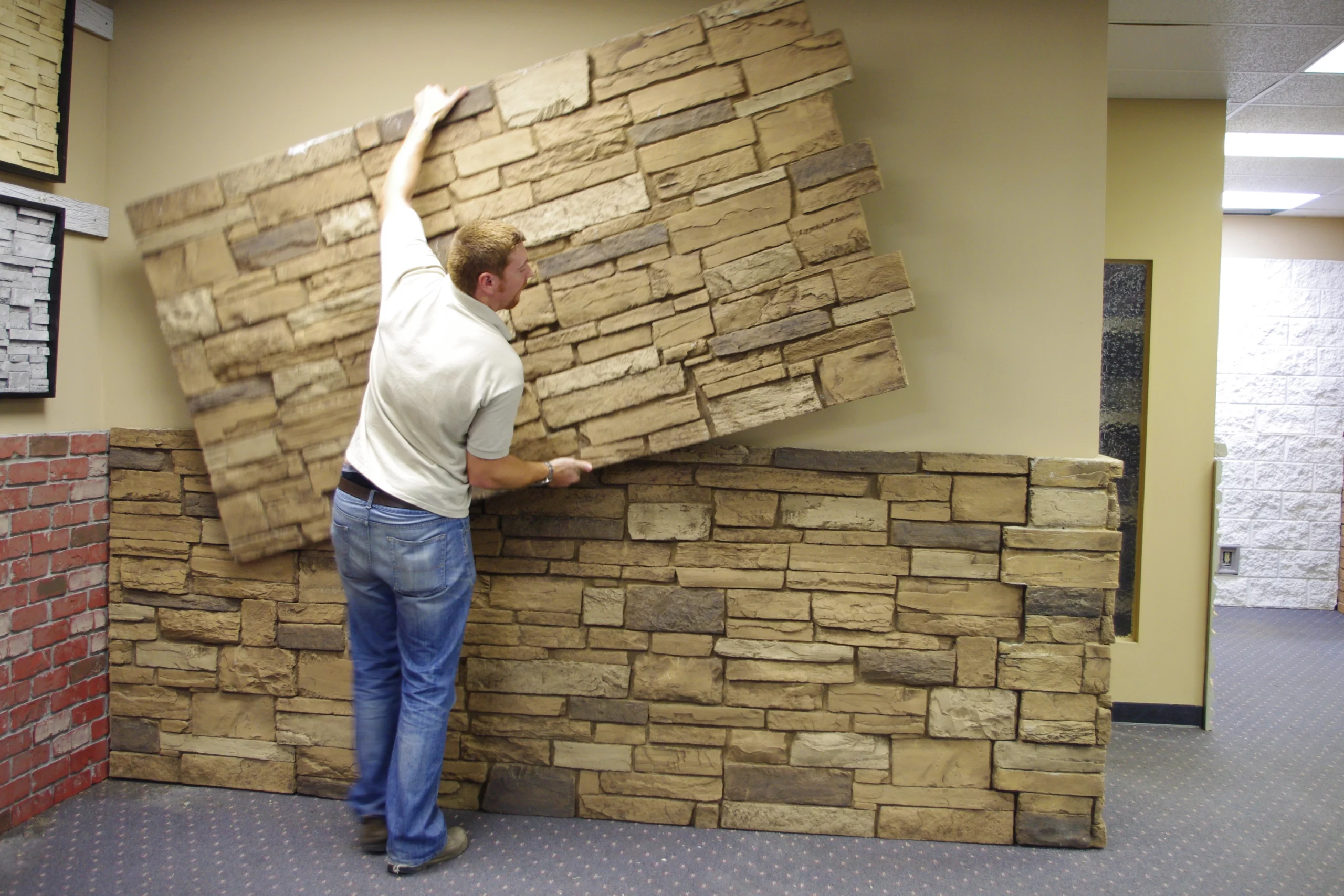
When it comes to installing stone veneer wall cladding, understanding the typical pricing structures used by contractors is crucial. Contractor fees can vary based on several factors such as labor, expertise, and project scope.
Contractors may offer additional services beyond the basic installation of stone veneer wall cladding. These services can add to the overall cost but may provide value in terms of convenience and quality.
When considering the cost of stone veneer wall cladding, one important factor to take into account is whether to undertake the installation as a DIY project or hire a professional contractor. Each option comes with its own set of potential cost savings and risks that need to be carefully weighed.
Mistakes made during the installation process could end up costing more in the long run to fix.
On the other hand, investing in a professional may ensure a higher-quality finish, but at a higher cost.
What are the different materials commonly used for stone veneer wall cladding?
Common materials include natural stone and manufactured stone veneer, each impacting costs differently.
How does the complexity of design or installation affect overall costs?
Complex designs or installation processes can increase costs due to labor and expertise requirements.
When might it be more cost-effective to hire a professional contractor instead of a DIY approach?
Hiring a professional is often more cost-effective for complex projects or when expertise is crucial for quality outcomes.