
Fiber Cement Cladding Cost: Installation, Maintenance, and Long-Term Value – A Comprehensive Guide
Exploring the intricacies of Fiber Cement Cladding Cost: Installation, Maintenance, and Long-Term Value, this introductory passage invites readers into a realm of knowledge, promising an enlightening and unique reading experience.
Detailing the essential aspects of fiber cement cladding, this passage sets the stage for an in-depth exploration of its costs, installation process, maintenance needs, and long-term benefits.
When considering the cost of fiber cement cladding installation, several factors come into play. The size of the project, labor costs, location, and any additional features or customization all influence the overall cost. It is essential to get quotes from multiple contractors to compare prices and ensure you are getting a fair deal.
Fiber cement cladding is known for being a cost-effective option compared to other popular cladding materials such as wood, vinyl, or brick. While the upfront cost of fiber cement may be slightly higher, the long-term savings in maintenance and durability make it a more economical choice in the end.
Additionally, fiber cement requires less maintenance and is resistant to rot, pests, and fire, further adding to its overall value.
Opting for fiber cement cladding can offer significant long-term cost savings. With its low maintenance requirements and high durability, homeowners can save money on repairs and replacements in the future. Additionally, the energy efficiency of fiber cement can help reduce heating and cooling costs over time, adding to the overall value of the investment.
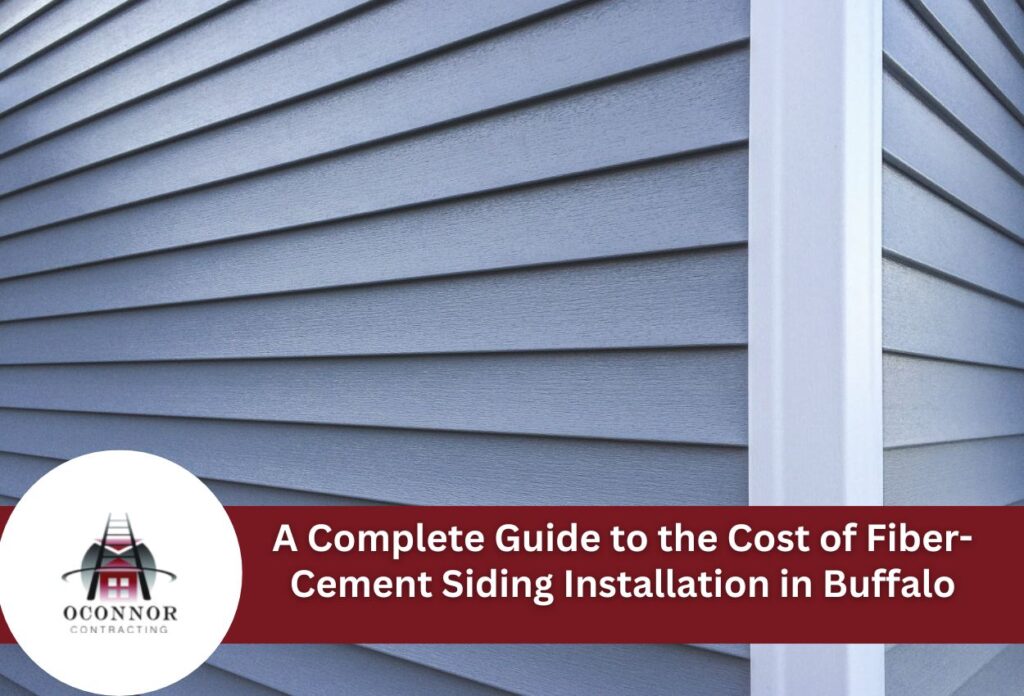
Installing fiber cement cladding on a building exterior involves a detailed step-by-step process to ensure its longevity and effectiveness. Proper installation is key to maximizing the benefits of fiber cement cladding.
Proper installation of fiber cement cladding is crucial for its longevity and durability. A well-installed cladding system will provide effective protection against the elements, enhance the building’s aesthetics, and require minimal maintenance over time. Following the correct installation process and using the right tools and skills will ensure that your fiber cement cladding performs optimally for years to come.

Maintaining fiber cement cladding is essential to ensure its longevity and aesthetic appeal. Proper care and regular upkeep can prevent damage and prolong the lifespan of the cladding.

When considering the long-term value of fiber cement cladding, it is essential to look at its durability and the impact it has on the overall value of a property. Fiber cement cladding is known for its ability to withstand harsh weather conditions, resist fire, and require minimal maintenance over time.
Compared to other common cladding materials like vinyl or wood, fiber cement cladding has a longer lifespan. It does not rot, warp, or become damaged easily, making it a cost-effective choice in the long run.
Choosing fiber cement cladding also offers environmental benefits for sustainable construction. Fiber cement is made from natural materials like cement, sand, and cellulose fibers, making it a more environmentally friendly option compared to synthetic materials. Additionally, fiber cement cladding is recyclable and helps reduce the carbon footprint of a building.
How do I determine the cost of fiber cement cladding installation?
To calculate the cost, consider factors like material prices, labor expenses, and any additional customization required.
What are the typical maintenance tasks for fiber cement cladding?
Maintenance tasks include regular cleaning, inspections for damage, and resealing if necessary.
Does fiber cement cladding offer long-term cost savings?
Yes, due to its durability and low maintenance requirements, fiber cement cladding can lead to long-term cost savings compared to other materials.