
Aluminum Exterior Panels Cost: Commercial vs. Residential Wall Upgrades
Beginning with Aluminum Exterior Panels Cost: Commercial vs. Residential Wall Upgrades, the narrative unfolds in a compelling and distinctive manner, drawing readers into a story that promises to be both engaging and uniquely memorable.
As we delve into the realm of aluminum exterior panels, a world of cost disparities between commercial and residential wall upgrades comes to light. The intricate dance of material quality, panel sizes, customization options, and installation intricacies plays a pivotal role in determining the overall expenses involved.

When considering the cost of aluminum exterior panels for wall upgrades, various factors come into play that differentiate the pricing between commercial and residential projects. These factors can significantly impact the overall cost and should be carefully evaluated before making a decision.
The quality of the aluminum panels used can greatly affect the cost of the project. Higher quality materials are often more expensive but offer better durability and longevity, reducing long-term maintenance costs. Commercial projects usually opt for premium materials to ensure the longevity of the building facade, while residential projects may choose more cost-effective options.
The size of the panels required for the project can also impact the cost. Larger panels generally cost more due to increased material and manufacturing costs. Commercial buildings often require larger panels to cover expansive wall areas, leading to higher costs compared to residential projects that may use smaller panels.
Customization of aluminum panels, such as unique colors, finishes, and textures, can add to the overall cost of the project. Commercial buildings may require more customization to align with branding or architectural requirements, while residential projects may have more flexibility in choosing standard options, reducing costs.
The complexity of installing aluminum panels can vary depending on the design of the building and the expertise required for installation. Commercial projects often involve intricate designs and may require specialized installation techniques, leading to higher labor costs compared to residential projects with simpler installations.
Commercial projects typically have different pricing structures compared to residential projects due to economies of scale, bulk discounts, and specialized services required. Commercial projects may benefit from lower pricing per square foot due to larger quantities, while residential projects may incur higher costs per square foot for smaller quantities.
It is essential to consider long-term maintenance costs when choosing aluminum panels for commercial or residential buildings. Higher quality materials may require less maintenance over time, reducing overall costs in the long run. Commercial buildings, which often have higher foot traffic and exposure to elements, may benefit from investing in premium materials to minimize maintenance expenses.
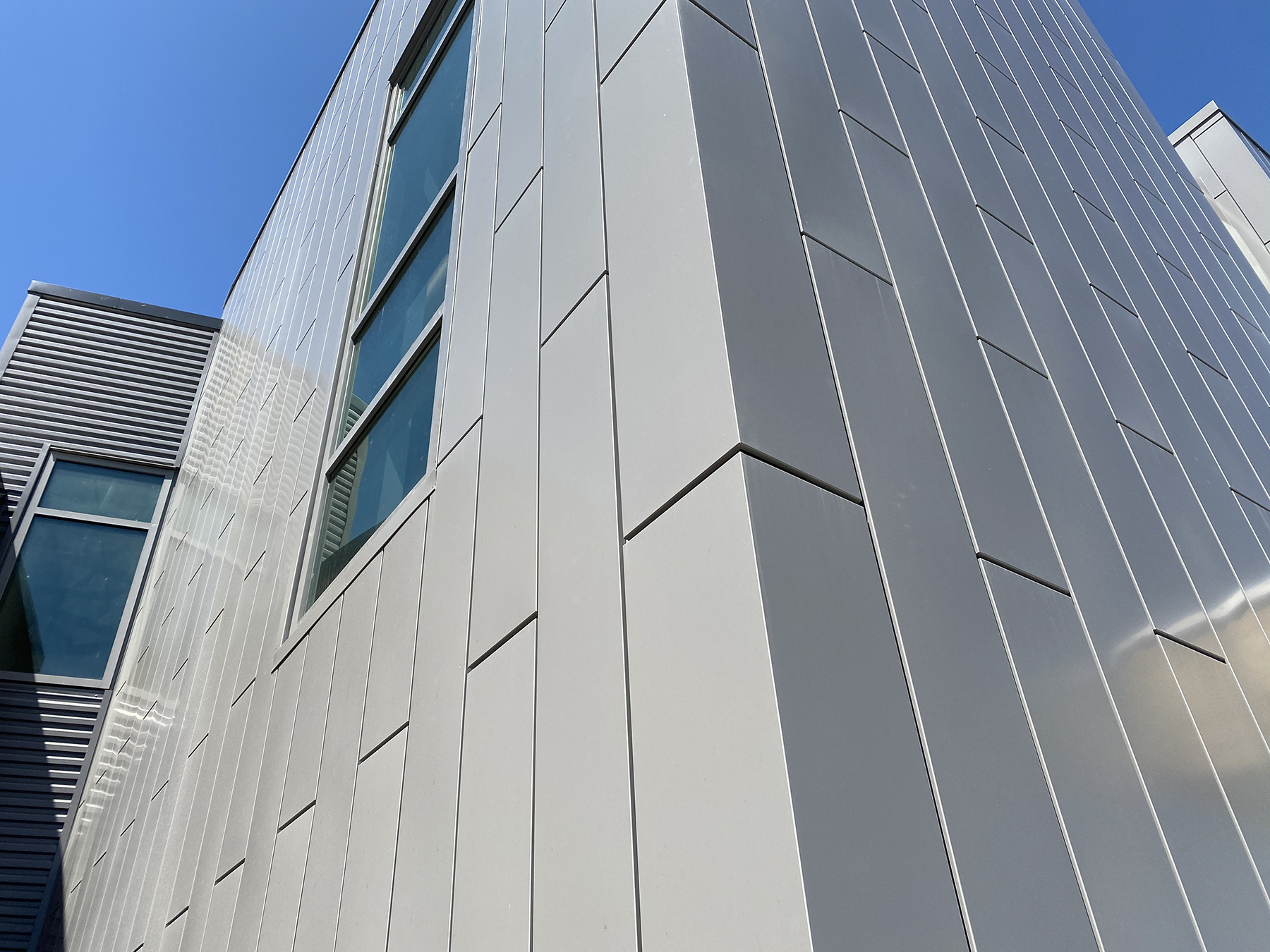
When it comes to installing aluminum exterior panels, whether for commercial or residential projects, there are several key steps involved in the process. It is crucial to follow these steps carefully to ensure a well-executed installation that meets the desired aesthetic and structural requirements.
Common tools and equipment needed for installing aluminum exterior panels include measuring tape, cutting tools (such as a circular saw or shears), drill, screws or rivets, level, caulking gun, and safety gear (such as gloves and goggles).
The timeframe for installing aluminum panels on commercial buildings is typically longer than for residential properties due to the larger scale and complexity of commercial projects. Commercial installations may require more planning, coordination, and manpower to complete efficiently.
When it comes to aluminum exterior panels, design options and customization play a crucial role in determining the overall look and feel of a commercial or residential building. The versatility of aluminum panels allows for a wide range of design choices, making them a popular option for architects, designers, and property owners.
Let’s explore the various design options and customization features available for aluminum exterior panels.
Customization choices, such as selecting premium finishes or intricate patterns, can increase the overall cost of aluminum exterior panels. It is essential to consider budget constraints when opting for custom design features.
When it comes to aluminum exterior panels, maintenance and durability are crucial factors to consider in both commercial and residential settings. Proper care and attention can significantly impact the longevity and appearance of these panels.
What are the main factors influencing the cost difference between commercial and residential wall upgrades using aluminum exterior panels?
The main factors include material quality, panel size, customization options, and installation complexity.
What are some popular design options and finishes available for aluminum exterior panels in commercial and residential applications?
Popular design options include various colors, textures, and patterns that can impact the overall cost based on customization choices.
How do maintenance costs differ between commercial buildings and residential properties when it comes to aluminum exterior panels?
Maintenance costs tend to vary based on the size and usage of the building, with commercial buildings usually incurring higher maintenance expenses over time compared to residential properties.