Siding Product Comparison: A Comprehensive Guide
Siding products are essential components of a home’s exterior, providing both protection and aesthetic appeal. Choosing the right siding is crucial for maintaining the integrity and value of a property.
When it comes to selecting siding for a home, homeowners need to consider factors such as durability, maintenance requirements, cost, and overall design. The decision can significantly impact the curb appeal, energy efficiency, and longevity of a house.
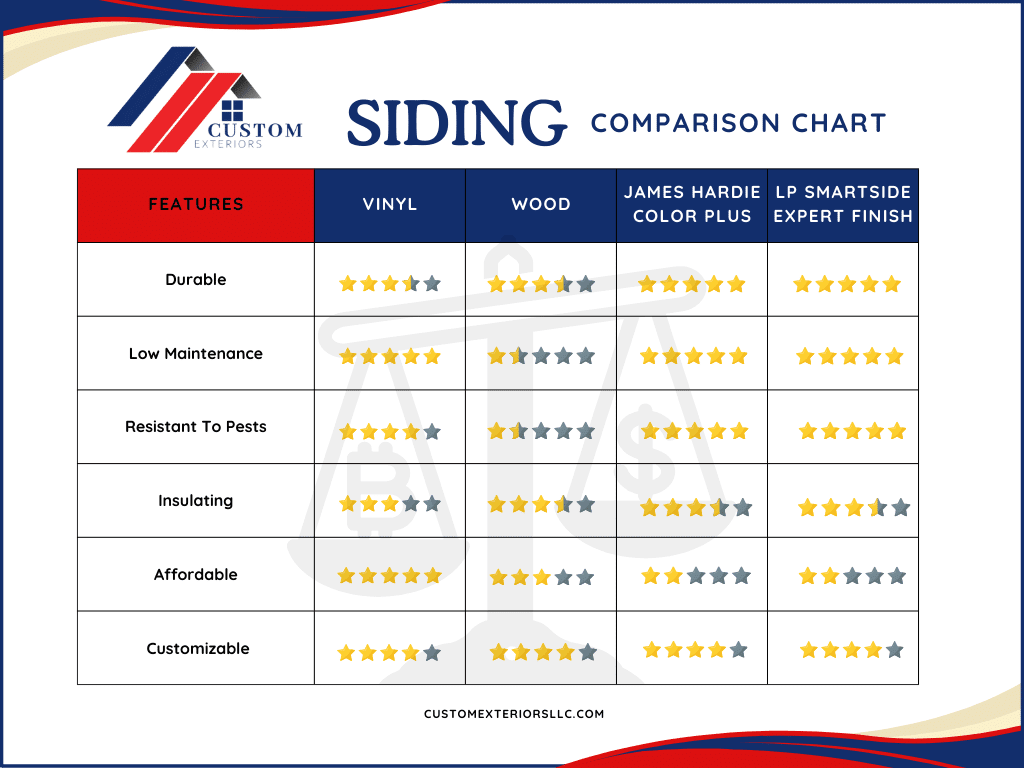
Vinyl siding is a popular choice for homeowners due to its affordability, versatility, and low maintenance requirements. Made from PVC (polyvinyl chloride) resin, vinyl siding comes in a variety of colors and styles to suit different architectural preferences.
Vinyl siding is known for its durability, with a lifespan of 20-40 years depending on the quality of the material and installation. To maintain vinyl siding, regular cleaning with a soft brush and mild detergent is recommended to prevent dirt and grime buildup.
Inspecting for any cracks or damage and addressing them promptly can help extend the lifespan of vinyl siding.
Wood siding is a popular choice for homeowners due to its natural beauty and timeless appeal. It adds warmth and character to a home’s exterior, creating a cozy and inviting look.
Wood siding can vary in cost depending on the type of wood chosen. Cedar and redwood siding tend to be more expensive due to their quality and durability, while pine and spruce siding are more budget-friendly options. In terms of aesthetic appeal, wood siding provides a warm and inviting look that can enhance the curb appeal of a home.
It offers a natural beauty that can be customized through different finishes and colors to complement the overall design of the house.
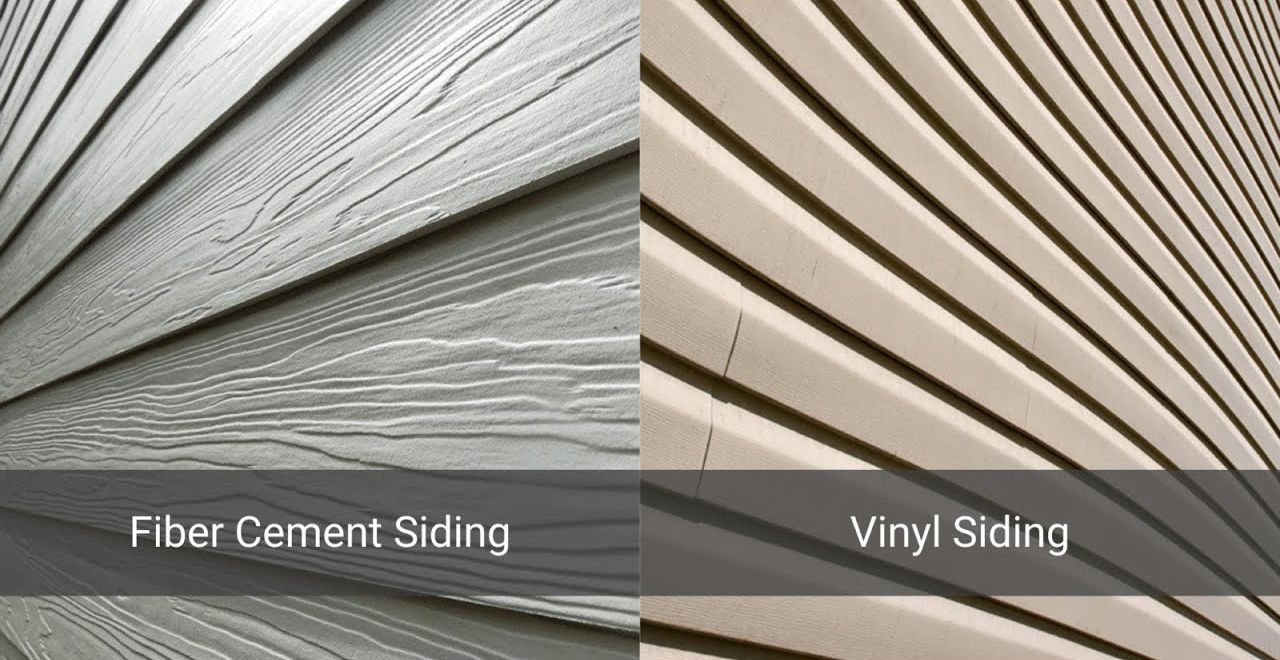
Fiber cement siding is a type of siding material made from a blend of cement, sand, and cellulose fibers. It is known for its durability, low maintenance requirements, and resistance to rot, fire, and insects.
Metal siding is a popular option for homeowners looking for a durable and low-maintenance siding material. It offers a sleek and modern look that can enhance the curb appeal of any home.Metal siding is known for its exceptional durability, especially when compared to other siding materials like vinyl or wood.
It is resistant to rot, insects, and moisture, making it a long-lasting option for homes in various climates. Additionally, metal siding requires minimal maintenance, typically only needing occasional washing to keep it looking its best.When it comes to aesthetic options, metal siding offers a wide range of choices to suit different architectural styles and preferences.
Homeowners can choose from a variety of colors, textures, and finishes to achieve the desired look for their homes. Whether you prefer a smooth and sleek appearance or a more textured finish, metal siding can provide the versatility needed to create a unique and eye-catching exterior.
Metal siding is highly durable and can withstand harsh weather conditions, including strong winds, heavy rain, and extreme temperatures. Unlike wood siding, metal siding does not warp, crack, or rot over time, ensuring a long-lasting and low-maintenance option for homeowners.
Regular washing with a mild detergent and water is typically all that’s needed to keep metal siding looking clean and fresh.
Metal siding comes in a variety of colors, textures, and finishes to complement different architectural styles and personal preferences. Homeowners can choose from options like smooth panels, embossed textures, and metallic finishes to achieve the desired look for their homes.
Additionally, metal siding can be painted or coated to match the specific color scheme of the house, providing endless possibilities for customization and curb appeal enhancement.
Composite siding is a type of exterior cladding material made from a combination of different materials such as wood fibers, recycled plastics, and other additives. This mixture creates a durable and low-maintenance product that mimics the look of traditional wood siding.
Composite siding offers several advantages over traditional materials like wood, vinyl, or metal. It is known for its high durability, resistance to rot, insects, and weather damage. Composite siding also requires minimal maintenance, unlike wood siding that needs regular painting or staining.
Additionally, composite siding is available in a wide range of colors and styles, providing homeowners with more design options.
One of the main benefits of composite siding is its eco-friendly nature. By using recycled materials in its production, composite siding helps reduce waste and promote sustainability. Furthermore, the longevity of composite siding means fewer resources are needed for repairs or replacements, making it a more environmentally conscious choice compared to traditional materials.
When it comes to installing siding, there are several general steps that need to be followed to ensure a successful outcome. Proper installation is crucial for the durability and overall performance of the siding, so it’s important to pay attention to the details throughout the process.
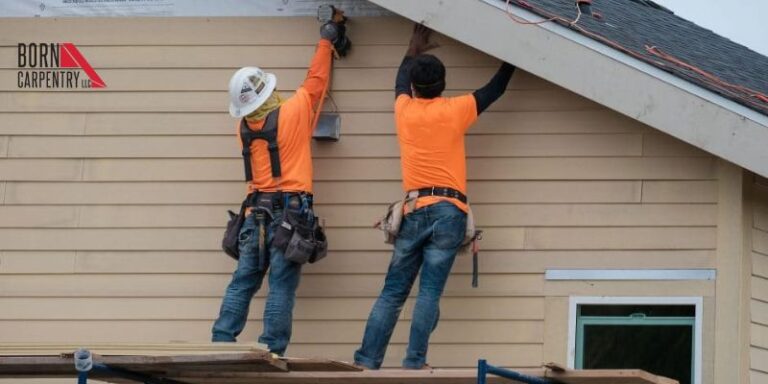
Installing siding can be a complex and time-consuming process, requiring precision and attention to detail. While some homeowners may choose to tackle the installation themselves, hiring professionals can offer several advantages. Professional installers have the expertise and experience to ensure that the siding is installed correctly, minimizing the risk of errors or damage.
Additionally, professionals may be able to complete the installation more quickly and efficiently, saving homeowners time and effort in the long run. However, DIY installation can be a cost-effective option for those who are skilled and confident in their abilities, as long as they take the time to properly educate themselves on the process and techniques involved.
:max_bytes(150000):strip_icc()/SPR-types-of-siding-for-the-home-1824718-hero-fb7028906b4f47d986f0bb223baf496f.jpg "How Much Does Siding Replacement Cost? 2026 Guide (PA, WV, OH) - Tri ...")
Proper maintenance is essential to ensure the longevity and appearance of your siding. Different types of siding materials have specific maintenance requirements to keep them in good condition.
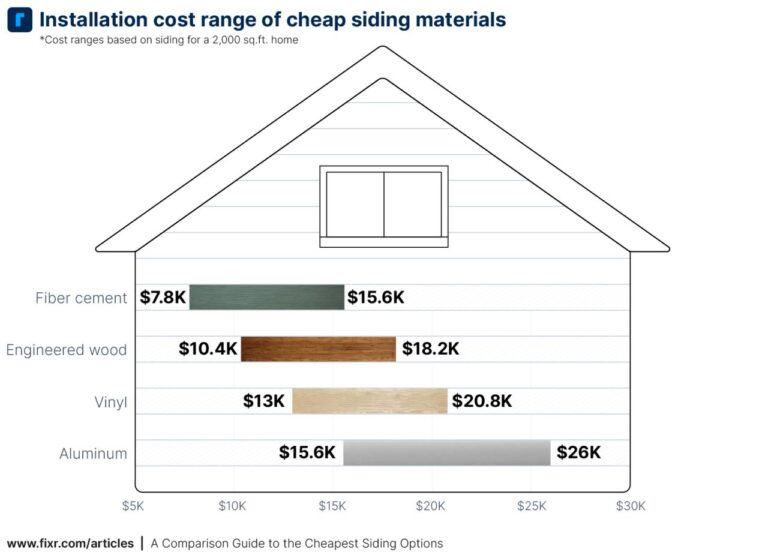
What is the most cost-effective siding material?
Vinyl siding is generally considered one of the most cost-effective options due to its low initial cost and minimal maintenance requirements.
Is wood siding high maintenance?
Wood siding does require regular maintenance, including painting or staining every few years to maintain its appearance and protect it from the elements.
Can I install siding on my own?
While DIY installation is possible, hiring professionals ensures proper installation and can help avoid common issues that may arise with siding.